
ESSENTIAL CONSIDERATIONS FOR PRODUCT PHOTOGRAPHY
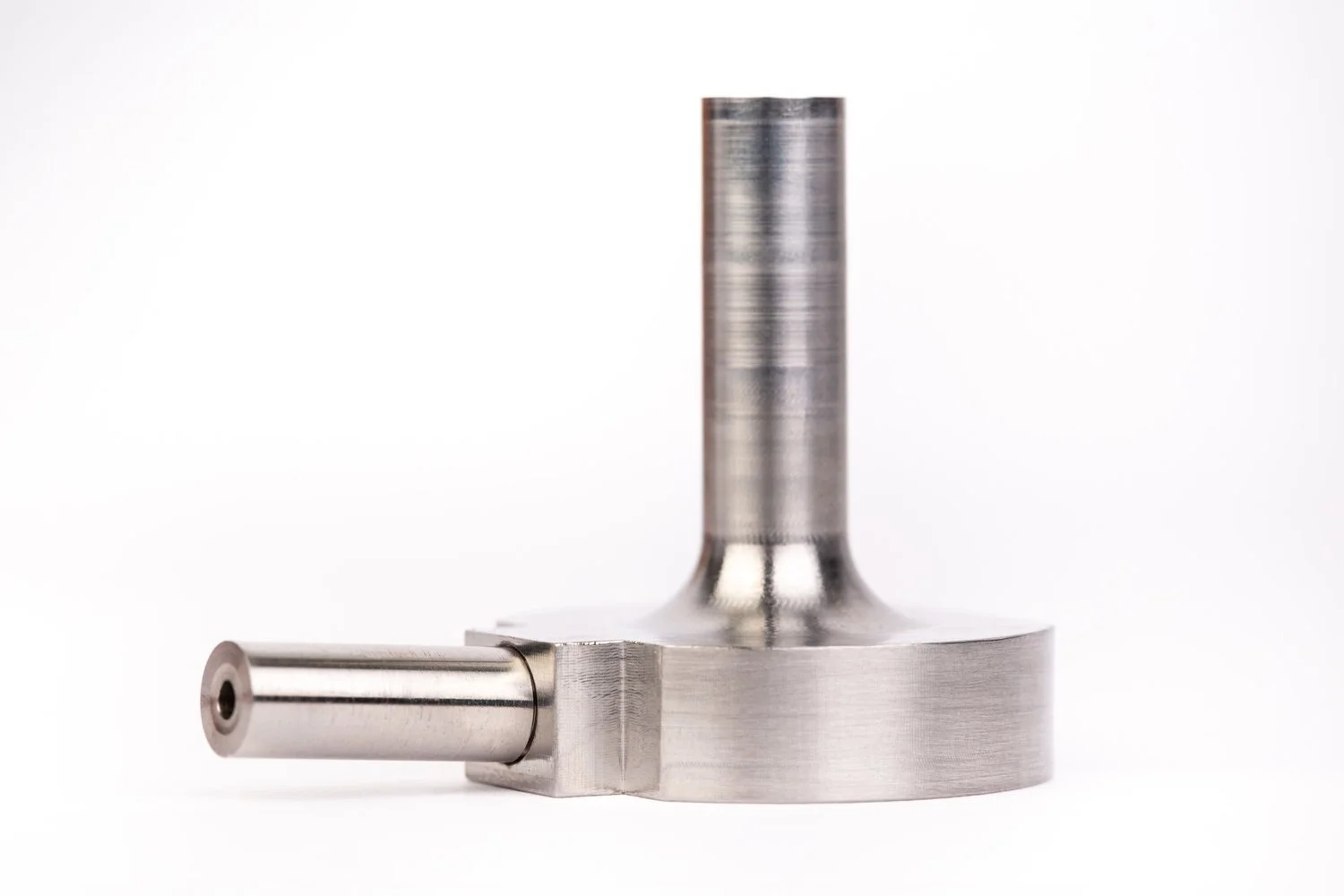
IMPORTANT CONSIDERATIONS FOR PRODUCT PHOTOGRAPHY
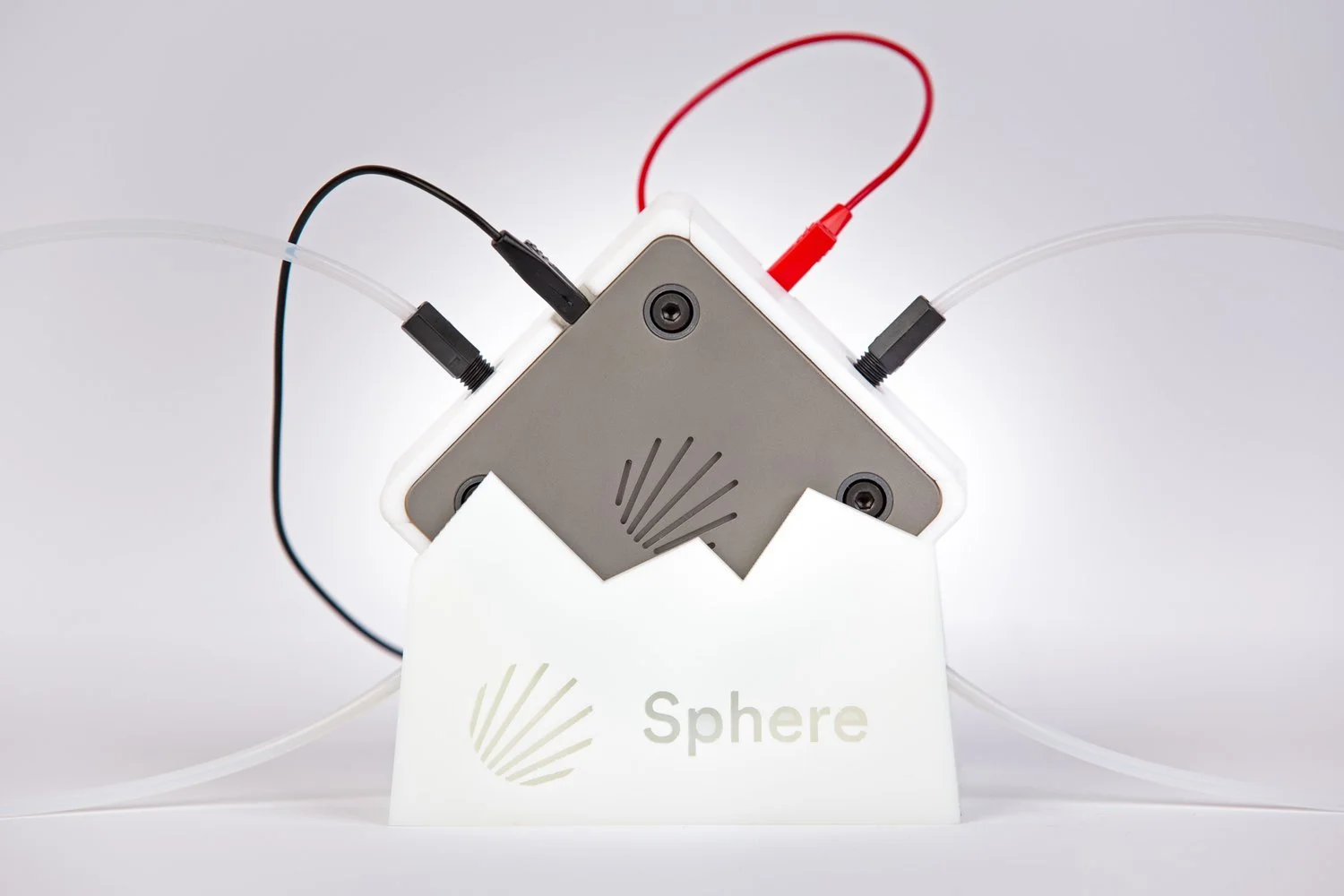
As a photographer that doesn't propose fixed tariffs, but tailors all proposals to the specific brief I receive, there is no other service for which this approach is more appropriate than product photography. Whilst one can place human or even architectural subjects into general categories (corporate, private, creative etc), product classifications and qualities are essentially limitless (as is the list of objects and elements one can define as being a product). Therefore, before contacting a product photographer with a product photography request, it's essential you:
Clearly describe the product/s to be photographed
Define the intended use you will have for your professional product photographs
Communicate any initial preferences you may have
More than any other photography service request, a product brief needs to be as exhaustive as possible.
Remember, the more complete your brief, the more complete the advice and suggestions you'll receive as to the best way to photograph your product, and the more you will get out of your budget. When enquiring about my product photography services, here are some examples of key pieces of information that I'll ask you to consider. If you are unsure or undecided about any of the below, do not worry; it's indeed a lot to consider, and my job is to offer you my expertise based on whatever information you can provide. I'm happy to discuss all of the points below through a meeting or telephone call; it's just important that you review them in your own time beforehand.
Whilst combinations of any of the below can always be arranged (anything is possible), it's important to remember that, more so than with any other type of photography, your requirements must clearly be established before shooting can commence, so that we can devise the most efficient and practical shooting plan possible, for example: if you've decided you'd like 20 products to be shot on 3 different background types, we would plan the shoot so as to do one background as a time for all products, rather than product-by-product (constantly having to change out the background).
Physical attributes of the product, e.g.
Dimensions
Weight (an estimation is fine)
Materials
Texture
Colour
Consistency (durability / fragility)
Manipulation (if the item changes physically, and how)
Intended function of the product, e.g.
Tool
Decoration
Raw material
Visual references for your products as they are, e.g.
Photographs* of the product shot from all relevant perspectives
Videos* of the product in use, showing any relevant manipulations etc
These don't have to be "official" imagery; you don't have to "sell" me, the photographer, your merchandise. Quite the contrary, simple smartphone photos and videos can be quite sufficient, so that I have a true representation of the live object. A picture tells a thousand words, hence being able to send or refer me to such imagery should be a top priority.
Existing professional product photographs of either your products or those of your competitors (which appeal to you).
In terms of capturing your product, such references can help me by communicating:
What you would like
What you wouldn't like
The intended use you will have for your professional product images, e.g.
e-commerce catalogue
advertisement imagery ("hero" images)
Initial Photography Preferences: Settings, e.g.
in a specific context (e.g. in use, in an environment related to where it would be used)
non context (e.g. a generic background such as a white e-commerce shot)
Initial Photography Preferences: Style, e.g.
background & base colour (black, grey, colour, white etc)
base type (e.g. mat, reflective)
Initial Photography Preferences: Perspective, e.g.
Side-on, above, below, 45° etc
Macro / close up (to show intricate details and texture)
Initial Photography Preferences: Arrangement, e.g.
Pictures of products alone and / or arranged in specific groups
If so, how many combinations will there be?
How do you envision the products being arranged?
Initial Photography Preferences: Demonstration & Action Shots, e.g.
Do you want photographs showing e.g.
Hands manipulating the product (focus on product)
A user manipulating the product (focus on both user and product)
Post production Requirements, e.g.
Superimposing
Masking / "cutting out"
(See below…)
POST-PRODUCTION / RETOUCH CONSIDERATIONS
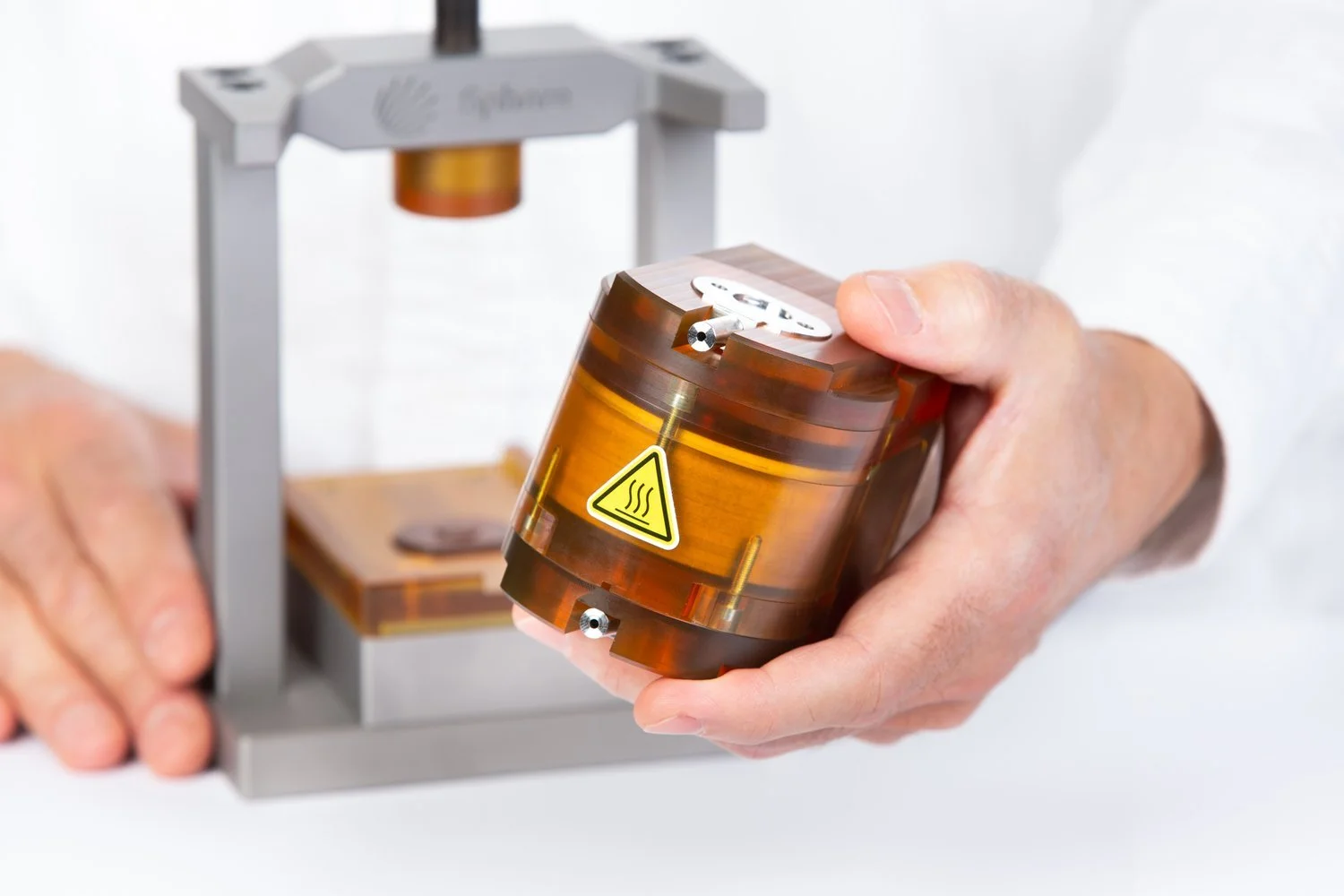
In general, retouch is more essential for product photography than any other type of photography, and it is a major (and sometimes predominant) part of the service I provide as a product photographer.
As a former digital graphic designer, I have both an advanced knowledge of retouch and eye for detail. I also fully understand how your intended usage of your product photographs will dictate how they need to be created, both through photography and through post-production & retouch.
It's essential you consider and communicate your intended image usage in your brief as it can dictate how I shoot your product.
What I provide in terms of post-production
High-level image retouch of the product and, if shot "in studio", studio background including:
Surface correction
(e.g. removing scratches, dust, inadequacies)
Colour, exposure, clarity and contrast correction an enhancement
(to showcase the items visual qualities)
What I don't provide in terms of post-production
Operations involving extracting or separating a certain part of the image
i.e. Clipping, Superimposing, Background Replacement, Masking etc.
I don't provide such services because:
These are often specific operations the performing of which will depend on your intended image use.
There are an enormous number of dedicated companies which, specialising in performing such operations, would no-doubt provide you with far more efficient and cost-effect results than I could provide.
Such operations fall under "graphic design" and I prefer, for transparency and practicality, to concentrate on retouch operations which fall under "photography".
PHOTOGRAPHING A PRODUCT FOR CLIPPING PURPOSES
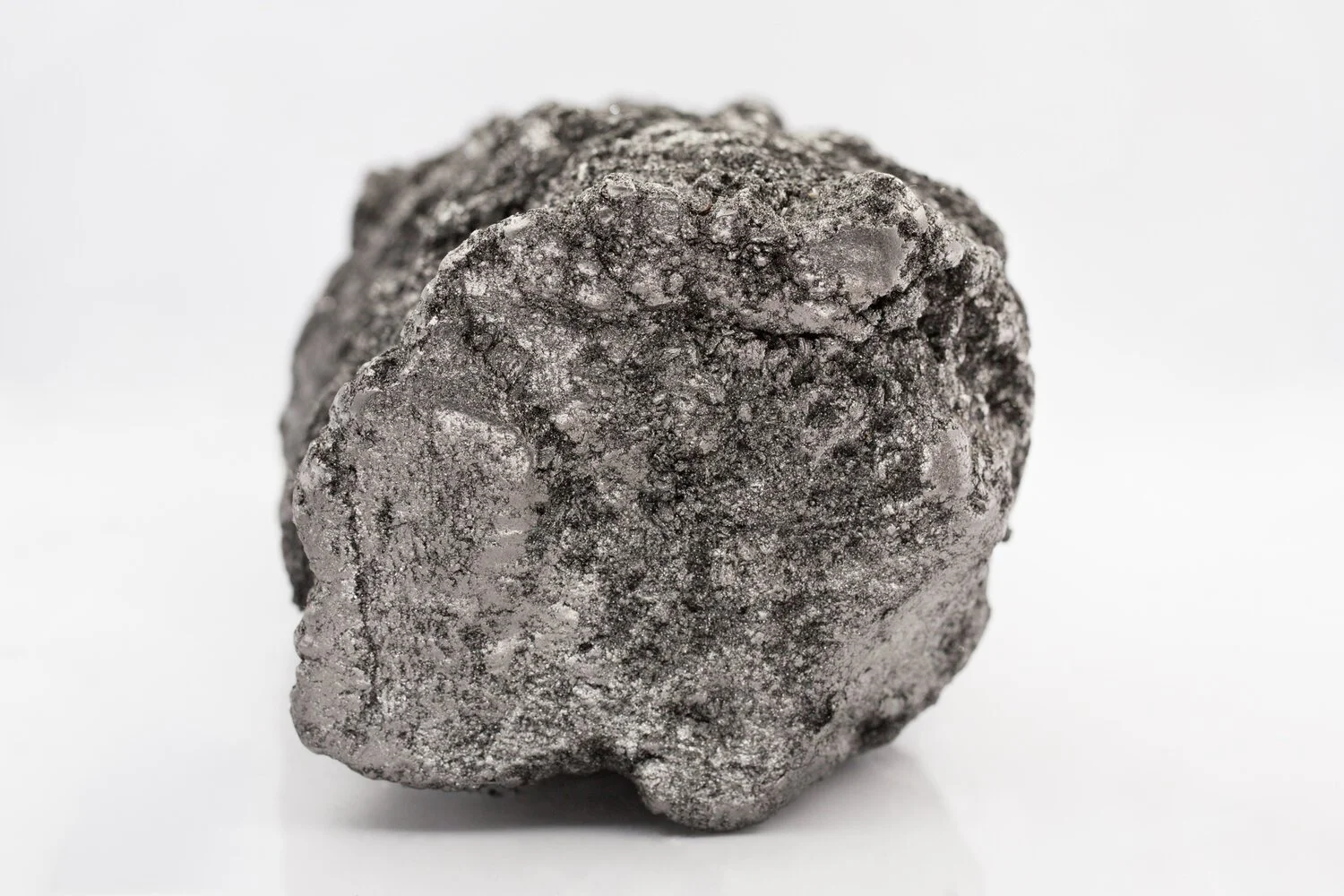
If you want images where you can extract the product from its background, then this will dictate how I approach the photography. There are two main factors that affect how easy or feasible it is to extract a product from its background:
The choice of background itself:
The background should be plain (i.e. a single colour tone without detail or gradient) and well contrasted with the product, e.g. a white product on a black background and vice-versa. Needless to say, in all cases this will only be achieved if shooting against a studio background.
The definition of the product edges:
Hard, in focus and well-defined edges around a product, mean that it's easy to extract, as they provide a clear boundary between the background and the product.
Soft, out of focus, edges that blur / merge with the background, will be problematic or often impossible to extract, as they don't provide a clear boundary between the background and the product.
It's essential to note that macro and close-up shots are what produces such blurred edges hence: if you want the flexibility to be able to "cut out" all your products and place them on any background, macro and close-up shots will not be possible. Given that macro and close-up shots are usually the most interesting way to photograph products, this is often a big sacrifice.
ANY QUESTIONS?
Product photography is pretty much limitless in terms of both the items that can be photographed, the approaches to photographing them, and their retouch requirements. There’s no better way to put any doubts to rest than to get free advice from an experienced product photographer:
contact@brettwalshphotography.com
+33 (0) 6 52 28 23 45